Robots have emerged as a result of industrialization, both
as a direct byproduct of an industrialized world and as an indirect result of
the shift in culture that allows for and thrives upon these mechanical beings.
Professor Machiko Kusahara illustrated the cultural
difference regarding robots, stating that western culture focuses more on the
“evil” robots may become, while Japanese culture values such art form as a
means of helping people. This response
to industrialization is interesting as we can discern the different
perspectives in how it will lead us into the future. The evil robots have emerged in varying artistic
mediums and has become prevalent in our society through movies and books of
robot take overs, yet robots as a means of serving society has prevailed in
Japan and is making its way into the medical field.


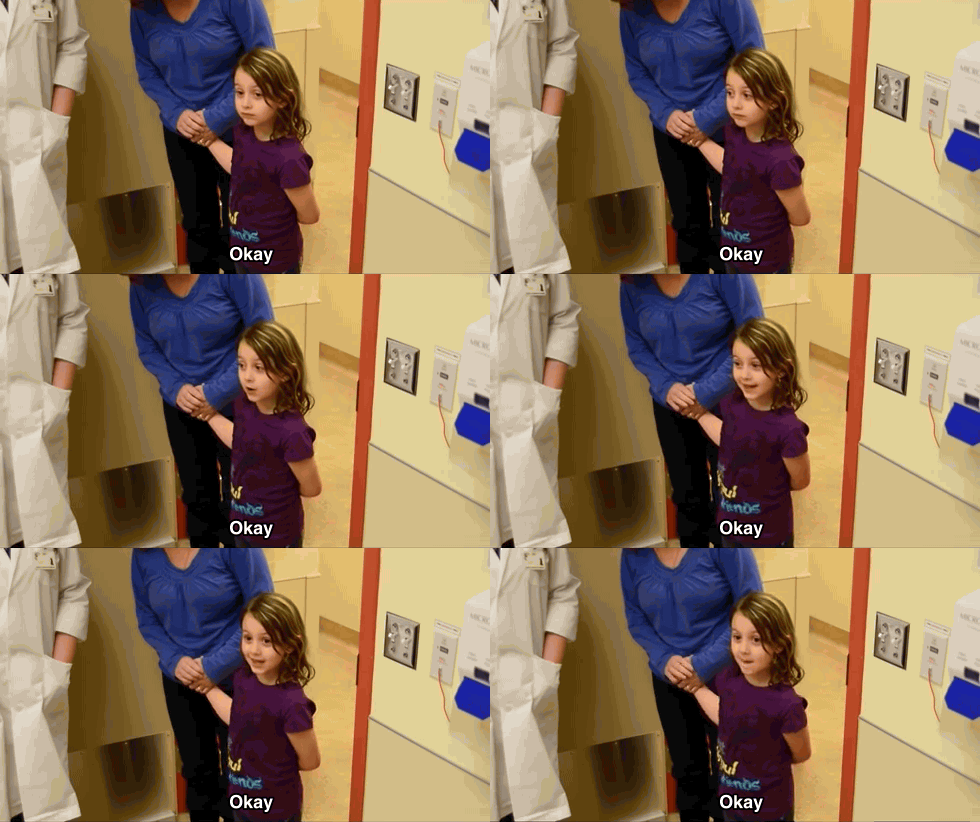 |
| Robots help children cope with pain and doctor's visits |
Utilizing different forms and artistic measures, robots are
now being utilized to interact with children as a way to help with pain and
stress coping. Yam describes how the
robots express emotions and personalize their communications with kids. Clearly, if utilized and designed
appropriately, robots and the art generated from their outputs can be used for
good. Through the design of the robots,
these machines are made personable and friendly, depicting a level of humanness
and emotion that is only made possible through careful composition and
construction.
Brooks describes how “having the idea that robots could
really have emotions, or that robots could be living creatures” may be
overwhelming, but unavoidable. One shift
we as a society must make is not to think of robots as the future of
destruction and doom, but one with greater service and help. Utilizing art in the creation of these
robots, with careful aims and goals, can really help avoid the dramatic
scenarios created by the technological culture today.
 |
| Wall-e and Eve, depicting sentience |
However, following the release of Disney Pixar’s Wall-e, the
discussion of technology and robotic control has escalated beyond that of
Frankenstein monsters or medical helpers to that of how robots also take away
humanity's need to put effort into relationships. The art of communication is removed with the
use of robots in many scenarios, as critiqued in Robo-everything, a follow up feature to Wall-e.
Society initially responded with mass production efforts, but now with increasing technology and application of art, these robot forms are advancing to much more than production line helpers but helpers for people's needs. Understanding that robots may influence the value of relationships will allow the development to take into consideration this flaw.
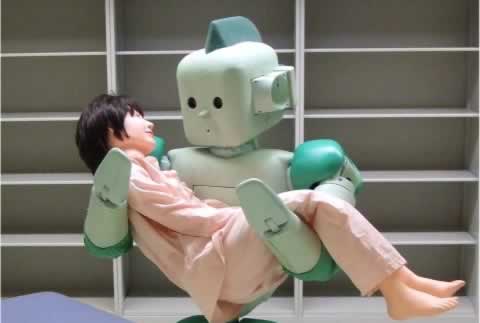 |
| Robots in a more human form |
Works Cited
Animation Sound
Design: Building Worlds From The Sound Up featurette, 2008 DVD featurette,
Walt Disney Studios Home Entertainment.
Brooks, Rodney.
“Robots will invade our lives.”
Online video clip. Ted. Ted, Sep. 2008. Web. 17. Apr. 2015.
Robo-everything,
2008 DVD featurette, Walt Disney Studios Home Entertainment.
Uconlineprogram. “Robotics
MachikoKusahara 1.” Online video
clip. Youtube. Youtube, 14. Apr. 2012. Web.
18. Apr. 2015.
Yam, Kimberly. “Cheery
Robot Helps Kids Cope With Pain During Hospital Procedures.” The Huffington Post, 14. Apr. 2015. Web.
17. Apr. 2015.


